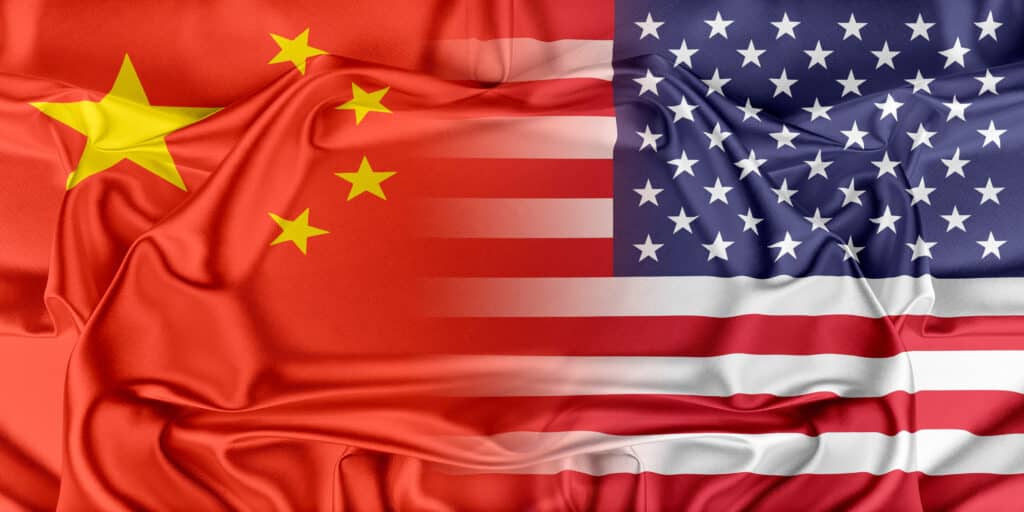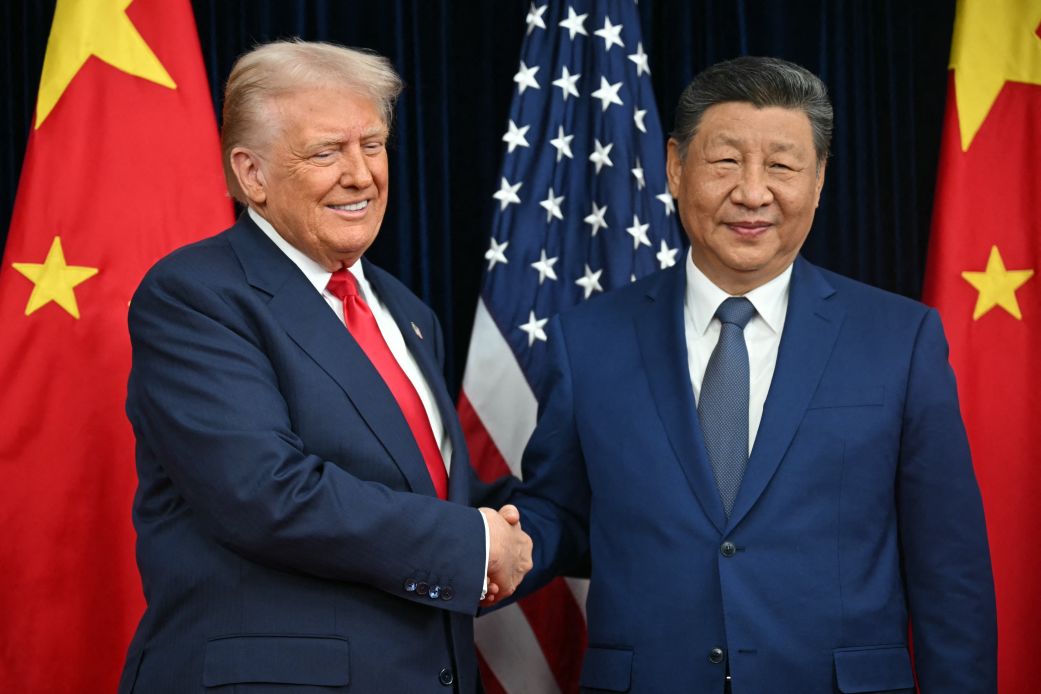
Cross-border biotech deals between China and the United States are becoming more complicated and may face a modest slowdown as Washington expands restrictions on investment and technology transfers, according to ING Research senior healthcare economist Diederik Stadig. The development signals a new front in the broader US-China technology rivalry, directly impacting a sector that has seen a boom in cross-border partnerships worth tens of billions of dollars.
The tightening follows a series of US regulatory moves targeting Chinese-linked investments in advanced technologies, including biotechnology. According to an analysis by IndexBox, the US government has widened the scope of investment curbs to cover areas such as gene sequencing, synthetic biology, and drug development platforms, creating uncertainty for dealmakers on both sides. The restrictions come as China’s biotech sector rapidly matures, with Chinese firms increasingly moving beyond contract research into proprietary drug discovery and development.
Stadig noted that while the overall impact is expected to be “modest” for now, the complexity of structuring compliant deals has risen sharply. “Deals that once took three months to close are now taking six, and legal fees have jumped significantly,” he said in the ING Research report. The IndexBox data shows that the number of announced US-China biotech partnerships in the first half of 2026 declined by roughly 12% compared to the same period last year, though total deal value remained relatively stable due to larger individual transactions.
Looking ahead, industry observers expect the trend to persist as Washington continues to review additional categories of biotech for potential restrictions, with a formal update to the investment screening rules expected later this year.